
Strength & Injury Care
Strength & Injury Resilience in Warminster, PA
A more thoughtful approach to movement, stability, and physical resilience.
Feeling strong and capable is about more than raw strength. How well you move, recover, tolerate physical stress, and adapt to the demands of work, training, and everyday life all matter.
Dr. Austin Pollack evaluates relevant musculoskeletal factors such as mobility, joint function, spinal function, movement, and stability to help determine whether chiropractic care may be appropriate as part of your broader plan.
For Health Chiropractic · Warminster, PA · Serving Bucks County
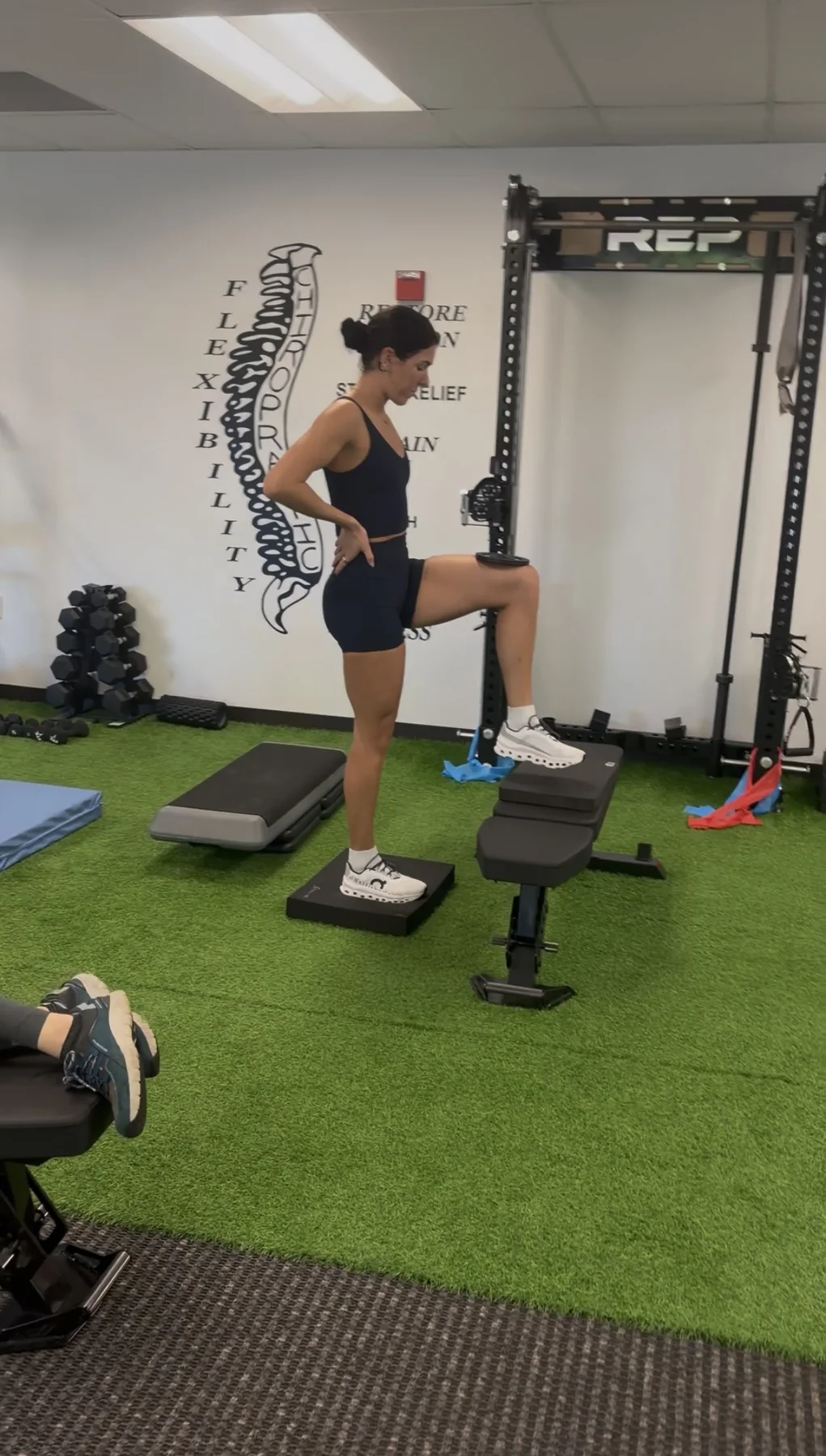
More Than “Not Getting Hurt”
Resilience Is Your Ability to Handle Physical Demand
Physical resilience is not a guarantee that injury will never happen. It is a practical way to think about how well your body tolerates the demands placed on it—from lifting and running to physical work, sports, travel, and everyday life.
Mobility, strength, coordination, training, recovery, sleep, technique, and many other factors all contribute. Chiropractic care may address relevant musculoskeletal findings, but it is only one piece of that larger picture.
“Resilience isn’t about becoming injury-proof. It’s about being better prepared for the demands of real life.”
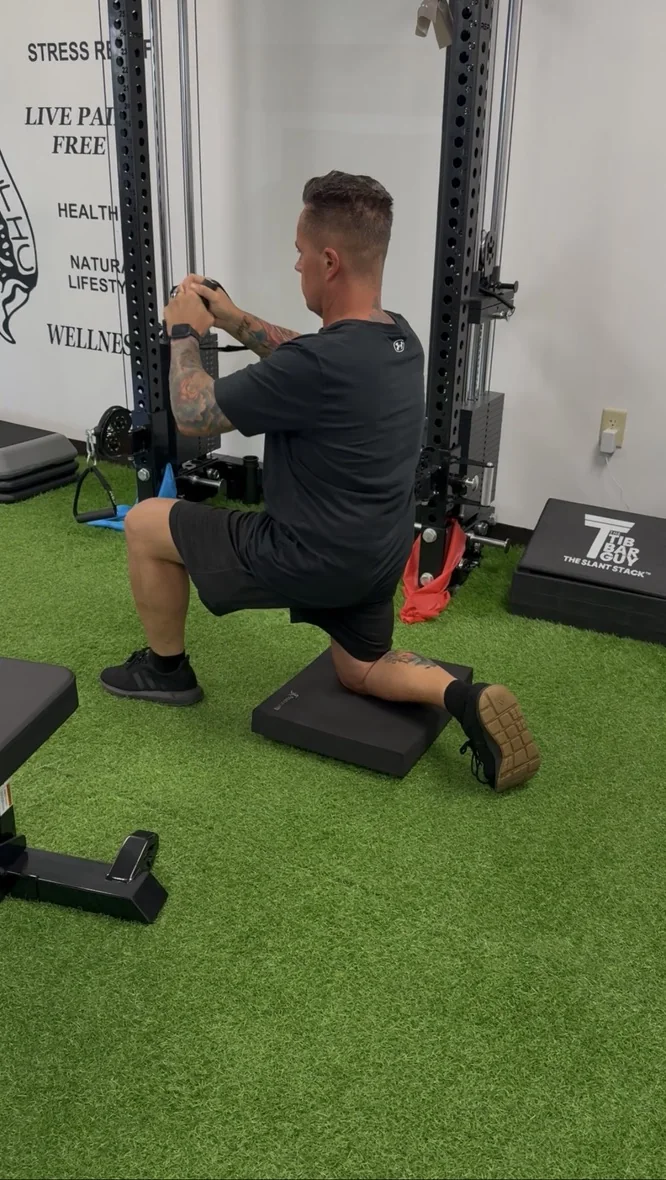
Built for Real-Life Demands
For People Who Want to Keep Doing More
Resilience matters for anyone whose work, training, or daily life places repeated demands on the body—from recreational athletes to active adults.
Not everyone needs chiropractic care. The goal is to understand what appears relevant to your individual situation.
- Active adults
- Lifters
- Runners
- Recreational athletes
- People with physically demanding jobs
- Weekend warriors
- People returning to regular activity
- People dealing with recurrent physical stress
- Patients who want to move with more confidence
- People looking to better understand movement limitations
Start With How You Move
Understand the Demands Before Building the Plan
A strong body still needs to move well and tolerate the specific demands placed on it.
Dr. Austin evaluates the factors relevant to your symptoms, activity, and goals rather than assuming one restriction explains everything.
- 01
Understand Your Demands
Discuss work, training, activity, previous injuries, symptoms, and what you want to be able to do.
- 02
Evaluate Relevant Movement
Assess appropriate aspects of mobility, spinal function, joint function, movement, posture, and muscular tension.
- 03
Look for Meaningful Limitations
Determine which findings appear relevant to your current symptoms or physical demands.
- 04
Build Appropriate Recommendations
Recommend chiropractic care when appropriate and recognize when strength training, physical therapy, medical care, or another provider should be involved.
One Piece of the Plan
Where Chiropractic Care May Fit Best
When relevant musculoskeletal findings are present, chiropractic care may be one part of a broader approach to comfortable movement and function.
Chiropractic Care When Appropriate
Address relevant spinal or joint-function findings.
Mobility Guidance
Work on appropriate areas of stiffness or restricted movement.
Movement Awareness
Help identify physical patterns or positions that may be contributing to discomfort.
Education
Understand how work, training, recovery, and repeated stress may interact with symptoms.
Progress Monitoring
Reassess how the body is responding over time.
Referral or Collaboration
Recommend other support when another provider is better suited to part of the problem.

Assessment-First Care
A More Individualized Approach With Dr. Austin
Dr. Austin considers your physical demands, symptoms, prior injuries, movement, mobility, spinal function, goals, and examination findings before recommending care.
Hours of Training in Advanced Chiropractic Techniques
What to Expect
About Your First Visit
- 01
Listen
Understand your activity, training, physical demands, and goals, your history, previous care, daily demands, and what you want to improve.
- 02
Assess
Dr. Austin evaluates the musculoskeletal factors relevant to your presentation.
- 03
Explain
He explains what appears relevant, answers questions, and discusses whether chiropractic care makes sense.
- 04
Recommend
If care is appropriate, recommendations are individualized rather than based on a preset schedule.
The Right Tool for the Right Job
Better Resilience May Mean More Than One Provider
When another provider is better suited to part of the issue, appropriate collaboration or referral may be recommended.
Strength Coaches
Training, load management, and performance.
Physical Therapists
Rehabilitation and movement restoration.
Physicians
Medical evaluation and diagnosis.
Sports Medicine
Specialized athletic injury care.
Patient Experiences
What Our Patients Are Saying
Real experiences from patients who chose For Health Chiropractic.
Common Questions
Strength & Injury Resilience FAQs
What does injury resilience mean?
Can chiropractic care prevent injuries?
Will chiropractic care make me stronger?
Do I need to be an athlete to benefit from this type of care?
Can chiropractic improve my biomechanics?
What if I keep getting the same pain when I train?
Should I see a chiropractor or a physical therapist?
What happens at my first visit?
Where is For Health Chiropractic located?
Continue Exploring
Related Care at For Health Chiropractic
Athlete Recovery & Performance
Recover, move efficiently, and stay ready for what's next.
Learn MoreSpine Rehabilitation
Restore movement, mobility, stability, and confidence after setbacks.
Learn MorePosture Correction
Assessment and care for postural imbalances and inefficient movement.
Learn MoreGonstead Chiropractic
Precise, individualized chiropractic care from detailed assessment.
Learn MoreReady to Feel More Confident in How You Move?
Schedule a visit with Dr. Austin to discuss your physical demands, evaluate relevant musculoskeletal factors, and determine whether chiropractic care may fit into your broader plan for movement, strength, and resilience.