
TMJ Treatment & Jaw Pain Care
TMJ & Jaw Pain Care in Warminster, PA
A conservative approach to jaw discomfort that considers more than the jaw alone.
Jaw pain, tension, stiffness, headaches, or painful clicking can make eating, talking, sleeping, and everyday life uncomfortable.
Dr. Austin Pollack takes a broader musculoskeletal approach—considering relevant factors such as jaw function, surrounding muscle tension, neck discomfort, posture, and movement—to help determine what may be contributing and whether chiropractic care is appropriate for you.
For Health Chiropractic · Warminster, PA · Serving Bucks County
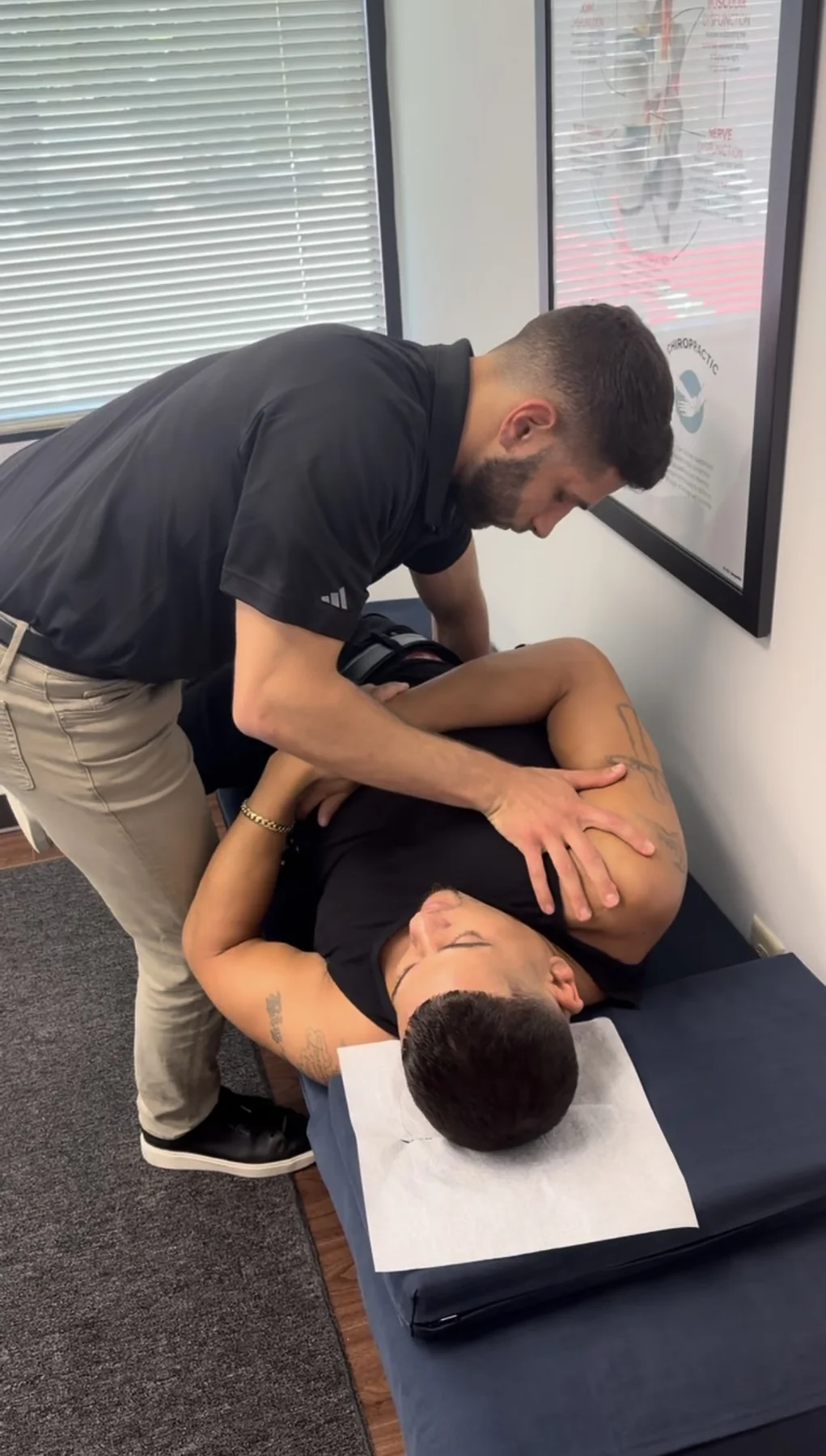
Understanding the Terminology
TMJ vs. TMD
People often use the terms interchangeably, but they describe different things.
TMJ
The temporomandibular joint—the joint on each side of your jaw that helps it open and close.
TMD
Temporomandibular disorders—a group of conditions that can involve the jaw joints, the chewing muscles, or both.
What You Might Be Feeling
Symptoms That May Be Worth Evaluating Together
TMJ and TMD symptoms can show up differently from person to person. Jaw or facial discomfort may have several possible causes, so the evaluation is about understanding your individual situation.
- Jaw joint or chewing-muscle pain
- Facial tension or discomfort
- Jaw stiffness
- Limited or uncomfortable jaw movement
- Painful clicking or popping
- Difficulty opening or closing the mouth comfortably
- Headaches occurring alongside jaw symptoms
- Neck discomfort occurring with jaw complaints
A Conservative Musculoskeletal Approach
Looking Beyond the Jaw in Isolation
The jaw does not function independently from the rest of the musculoskeletal system. Jaw symptoms can sometimes occur alongside neck pain, headaches, muscle tension, and changes in movement.
That doesn't mean the neck or posture is the cause of every TMJ problem, but it can make a broader assessment useful for some patients.
- Listen first
- Assess relevant function
- Individualize recommendations
- Know when to collaborate
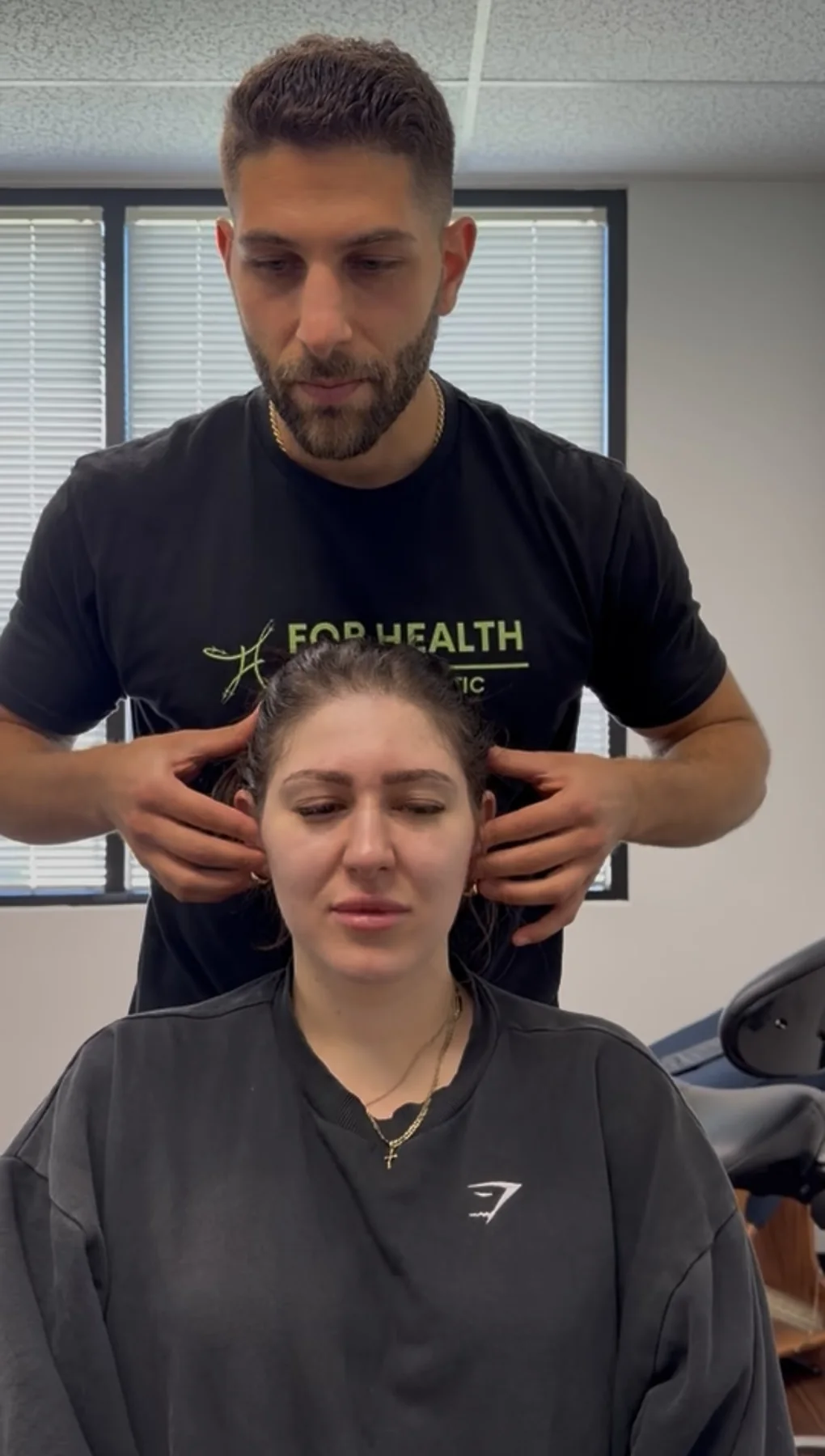
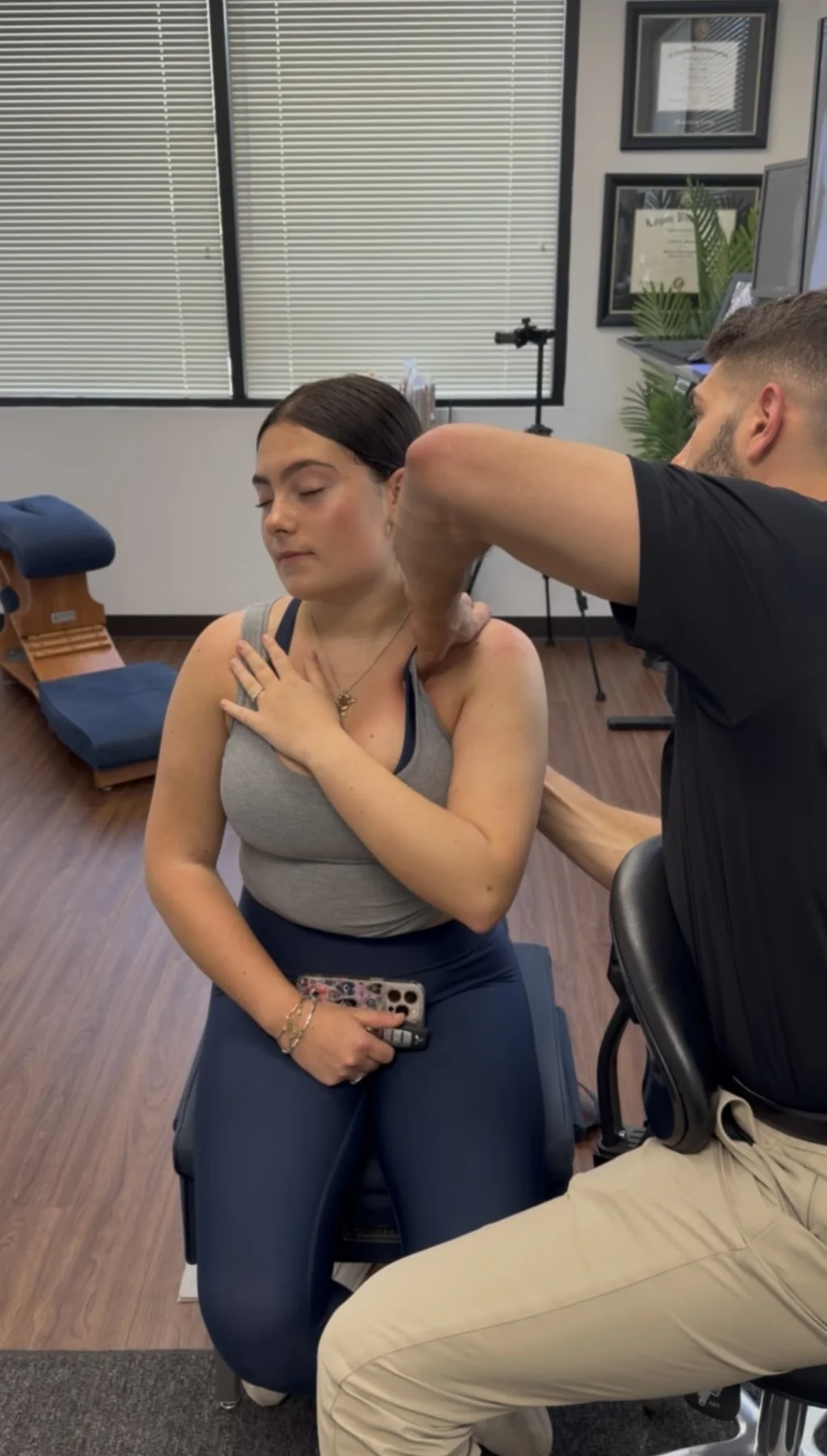
What Care May Include
Care Based on What Appears Relevant
There is no single treatment that is right for every person with jaw symptoms. Your recommendations should reflect your individual findings, goals, and response to care.
- Chiropractic care when appropriate
- Attention to relevant neck and spinal function
- Movement and mobility guidance
- Postural awareness where relevant
- Education about habits or physical factors that may aggravate symptoms
- Referral or co-management when another provider is more appropriate
Jaw and facial pain can have multiple causes. When appropriate, dental, medical, or specialist evaluation may be recommended.
Your Chiropractor
A Gonstead-Focused Approach
Dr. Austin Pollack's approach is centered on understanding the person in front of him rather than moving immediately into a standardized treatment routine. He combines Gonstead principles with your history, examination findings, movement, posture, and goals to help determine what type of chiropractic care may be appropriate for jaw and neck-related concerns.

Patient Experiences
What Our Patients Are Saying
Real experiences from patients who chose For Health Chiropractic.
What to Expect
Your First Visit
You don't need to diagnose yourself before coming in. The first step is understanding what is actually going on.
- 01
Listen
Understand your jaw symptoms, history, and goals, your history, previous care, daily demands, and what you want to improve.
- 02
Assess
Dr. Austin evaluates the musculoskeletal factors relevant to your presentation.
- 03
Explain
He explains what appears relevant, answers questions, and discusses whether chiropractic care makes sense.
- 04
Recommend
If care is appropriate, recommendations are individualized rather than based on a preset schedule.
Common Questions
TMJ & Jaw Pain FAQs
What is the difference between TMJ and TMD?
Does jaw clicking mean something is wrong?
Can neck tension be related to jaw symptoms?
Can chiropractic care help with every TMJ problem?
Should I see a chiropractor or a dentist for TMJ symptoms?
What happens at my first TMJ appointment?
Continue Exploring
Related Care at For Health Chiropractic
Ready to Get a Clearer Picture of Your Jaw Symptoms?
Schedule a visit with Dr. Austin to discuss what you've been experiencing, evaluate relevant musculoskeletal factors, and determine what next steps may be appropriate.