
Posture Correction Care
Posture Correction in Warminster, PA
A more practical approach to posture, movement, and musculoskeletal comfort.
Posture changes throughout the day depending on how you sit, stand, work, train, and move.
For some people, prolonged positions, stiffness, movement limitations, or physical demands can contribute to discomfort. Dr. Austin Pollack evaluates the factors relevant to your individual presentation rather than chasing a single idea of “perfect posture.”
For Health Chiropractic · Warminster, PA · Serving Bucks County
Common Reasons People Come In
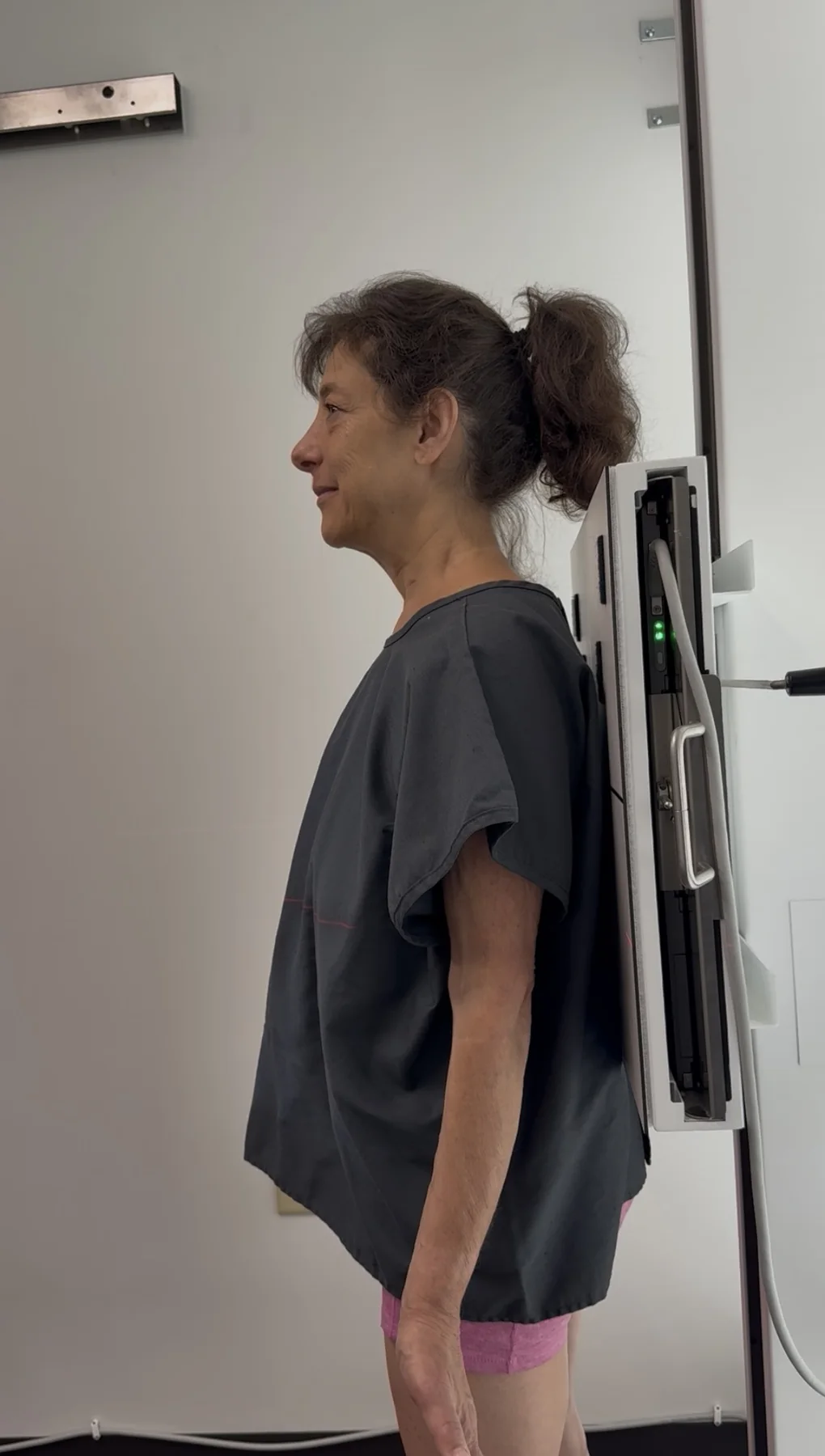
When Posture Starts to Feel Like a Problem
Patients often seek care when prolonged positions or daily demands consistently leave them feeling stiff, fatigued, or restricted.
These concerns are rarely caused by posture alone. Symptoms typically involve multiple contributing factors, which is why an individualized musculoskeletal assessment matters.
Assessment Principle
Normal posture varies naturally from person to person. We evaluate what is relevant to your symptoms, not an arbitrary ideal.
Neck & Upper-Back Tension
Persistent tightness or aching across the shoulders, traps, and cervical spine after hours in static positions.
Back Discomfort From Sitting
Lower or mid-back fatigue and pressure that builds up during prolonged desk or commuting postures.
Head & Shoulder Habits
Awareness of forward-head or rounded-shoulder habits that feel tight or uncomfortable over time.
Desk & Screen Stiffness
A sense of feeling 'stuck' or rigid when standing up or shifting away from computer and device use.
Mid-Day Postural Fatigue
Tired spinal supporting muscles that struggle to stay comfortable as the workday progresses.
Range of Motion Restrictions
Tightness turning the head, rotating the torso, or extending overhead during activity or workouts.
Look at the Whole Picture
Posture Is One Piece of the Assessment
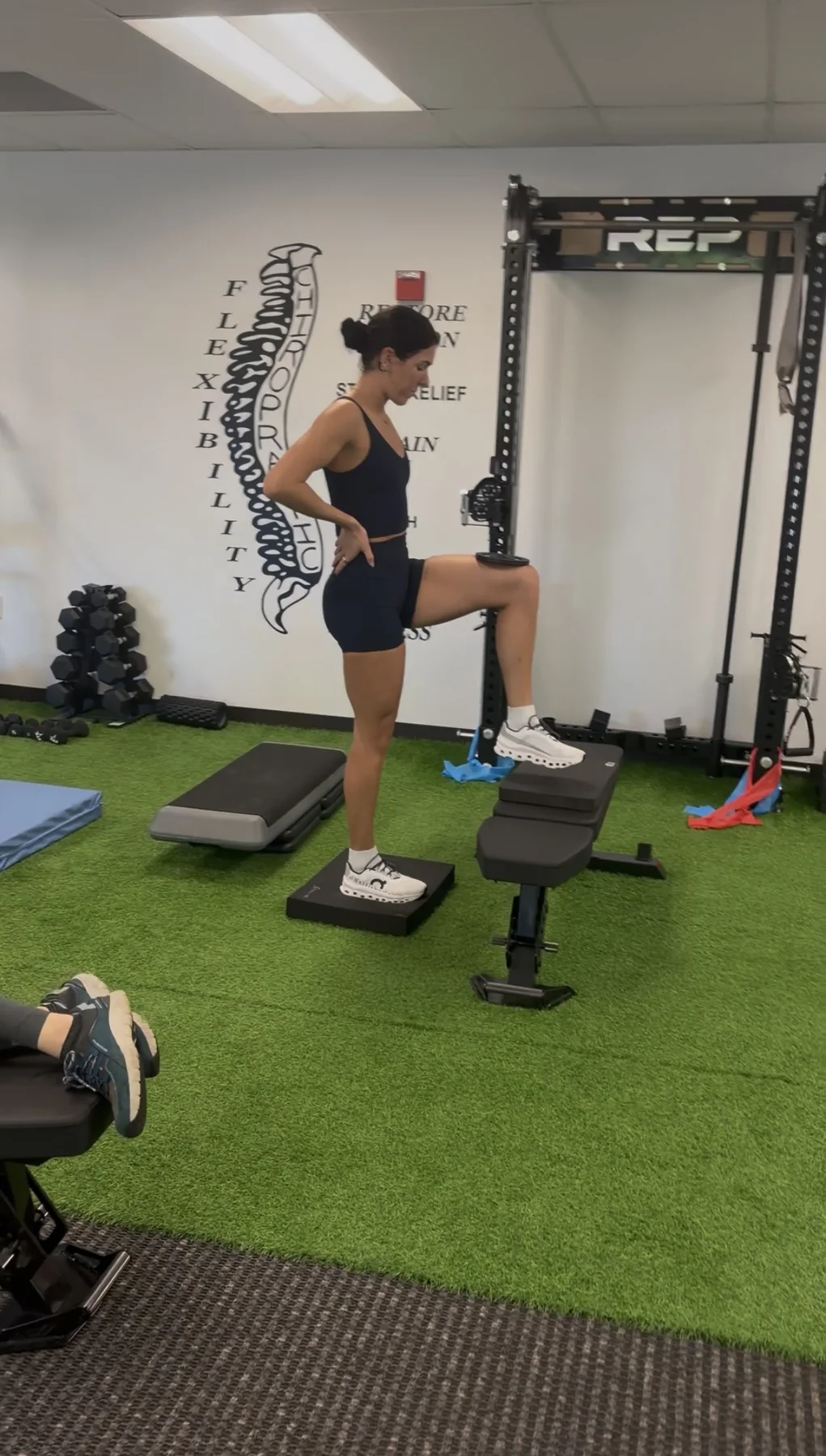
A visual posture check alone cannot explain why someone hurts. Dr. Austin considers posture alongside other relevant findings such as movement, mobility, spinal function, joint function, muscular tension, activity demands, and the situations that aggravate symptoms.
- 01
Understand the Pattern
Discuss when discomfort occurs, what positions aggravate it, work or training demands, and what you want to improve.
- 02
Observe Posture & Movement
Look at how you naturally sit, stand, and move rather than forcing an artificial “correct” position.
- 03
Assess Relevant Function
Evaluate appropriate areas of mobility, spinal function, joint motion, muscular tension, and movement.
- 04
Connect Findings to Your Symptoms
Determine which observations appear meaningful and which may simply represent normal individual variation.
- 05
Build Practical Recommendations
Recommend care, movement strategies, or other next steps based on what the assessment actually shows.
Not every asymmetry needs correction. Recommendations are based on what appears meaningful to your individual presentation.
The Real-World Problem
Sometimes It’s Less About “Bad Posture”
Working at a computer, driving, studying, using devices, or performing repetitive tasks can keep the body in similar positions for long periods.
Move More Often
Small changes in position throughout the day can reduce prolonged physical stress.
Set Up Your Space
A practical workstation setup can make comfortable movement easier.
Build Options
The goal is not one perfect position—it is having enough mobility and movement options to change positions comfortably.
Individualized Care
Care Based on Your Assessment
Adjustments do not permanently “correct” posture. Recommendations are based on the individual assessment, not a preset protocol.
- Attention to relevant spinal or joint-function findings
- Mobility guidance for appropriate areas of restriction or stiffness
- Movement awareness to identify positions or habits that may contribute to discomfort
- Practical posture strategies for work, training, driving, sitting, or everyday activity
- Progress monitoring and reassessment over time
- Referral or co-management when another provider is better suited to part of the problem
Your Chiropractor
A More Individualized Approach
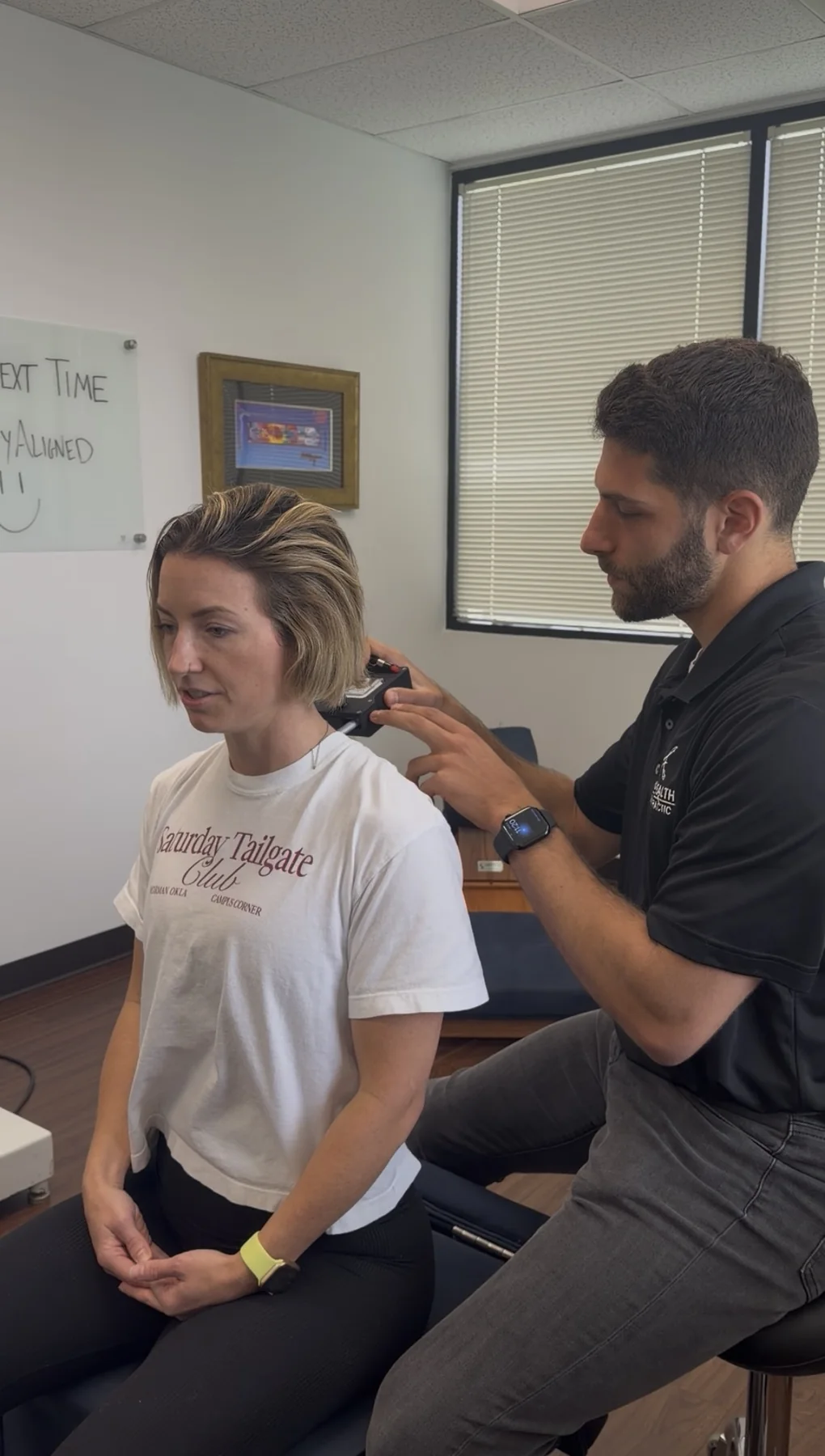
Dr. Austin does not evaluate posture in isolation. He considers your history, symptoms, movement, mobility, physical demands, spinal function, and goals before deciding what findings appear meaningful and what recommendations may be appropriate.

Patient Experiences
What Our Patients Are Saying
Real experiences from patients who chose For Health Chiropractic.
What to Expect
Your First Visit
You don’t need to diagnose yourself before coming in. The first step is understanding what is actually going on.
- 01
Listen
Understand your posture concerns, daily demands, and goals, your history, previous care, daily demands, and what you want to improve.
- 02
Assess
Dr. Austin evaluates the musculoskeletal factors relevant to your presentation.
- 03
Explain
He explains what appears relevant, answers questions, and discusses whether chiropractic care makes sense.
- 04
Recommend
If care is appropriate, recommendations are individualized rather than based on a preset schedule.
Common Questions
Posture Correction FAQs
What is posture correction?
Can poor posture cause neck or back pain?
Is forward-head posture always a problem?
Can chiropractic permanently fix my posture?
Do I need to sit up straight all day?
Can posture affect athletic performance?
What happens at my first posture appointment?
Where is For Health Chiropractic located?
Continue Exploring
Related Care at For Health Chiropractic
Gonstead Chiropractic
Precise, individualized chiropractic care from detailed assessment.
Learn MoreSpine Rehabilitation
Restoring movement, mobility, stability, and confidence after setbacks.
Learn MoreAthlete Recovery & Performance
Recover, move efficiently, and stay ready for what comes next.
Learn MoreWant to Feel More Comfortable in the Way You Sit, Stand & Move?
Schedule a visit with Dr. Austin to discuss what you’re experiencing, evaluate the factors relevant to your posture and movement, and determine what next steps may make sense.